Buying in Kirkland and worried a low appraisal could derail your winning offer? In a fast, low-inventory market, it is common for contract prices to outpace recent closed sales that appraisers rely on. This guide explains what appraisal gaps are, why they happen in Kirkland, and how to structure your offer to stay competitive without taking on unnecessary risk. Let’s dive in.
What is an appraisal gap
An appraisal gap happens when the lender-ordered appraisal comes in lower than the agreed purchase price. Your lender bases the loan on the appraised value, not the contract price, so any shortfall usually needs to be covered with additional cash or renegotiated.
Appraisals are completed by a state-licensed appraiser selected by your lender. Most residential appraisals use the sales comparison approach, which means the appraiser selects recent comparable sales, adjusts for differences like size, condition, view, lot, and upgrades, then reconciles to a supported value. For a deeper look at this method, review the Appraisal Institute’s guidance on the sales comparison approach.
- Appraisers must follow USPAP and Washington State rules. They cannot rely on the contract price alone or make unsupported adjustments. You can learn more about licensing and rules through the Washington State Department of Licensing.
- Timing matters. Lenders typically order the appraisal after escrow opens. Turn time is often 7 to 14 days in a normal market, but can stretch in hotter periods.
If the appraisal is lower than the contract price, the lender will not fund the original loan amount. You and the seller will need to resolve the gap to keep the deal moving.
Why gaps happen in Kirkland
Kirkland’s market can move quickly, especially near downtown and micro-neighborhoods like Moss Bay, Houghton, Totem Lake, and Juanita. When bidding pushes prices ahead of recent closed sales, appraisals can lag behind.
Key local drivers include:
- Strong demand and low inventory. Aggressive bidding can lift contract prices above the closest closed comps. For current conditions, review Northwest Multiple Listing Service market reports.
- Rapid price appreciation. When prices rise quickly, appraisers may find few recent closed sales at the new level.
- Pending-heavy markets. Appraisers prioritize closed sales. If many nearby sales are still pending or private, the comparable pool is thinner.
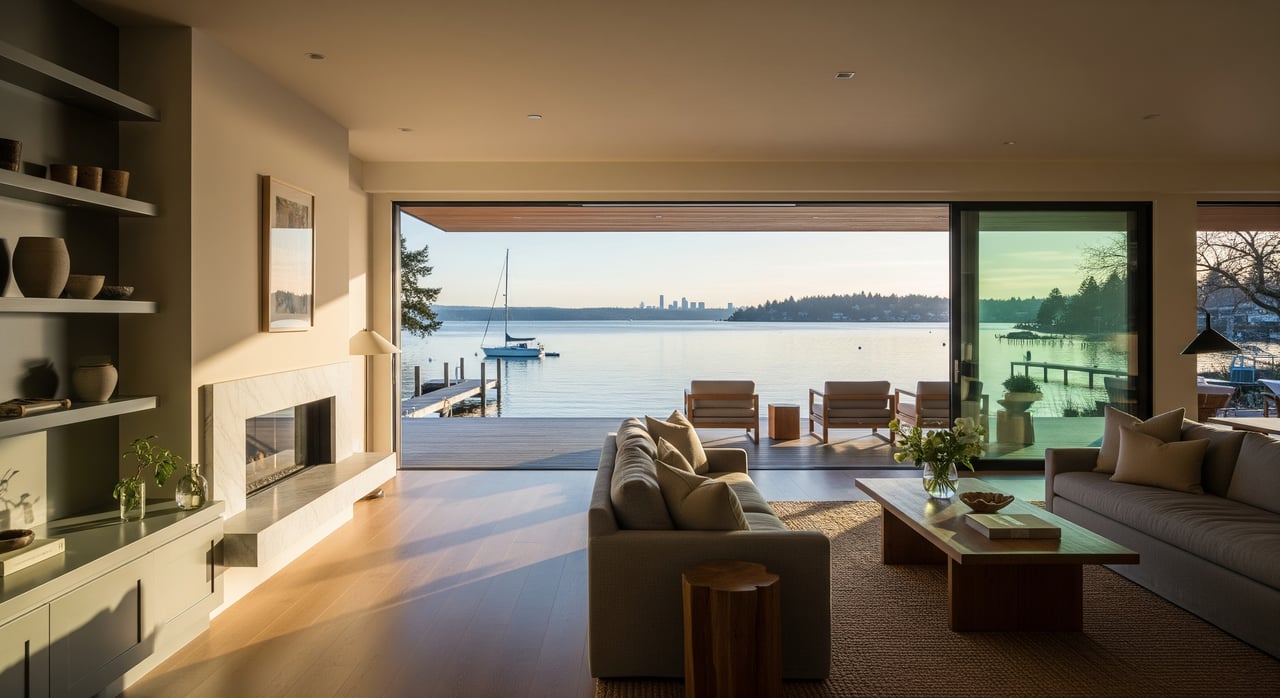
- Unique property features. Waterfront or Lake Washington views often command significant premiums that must be supported by comparable waterfront closings. Lot steepness, buildable potential, and view corridors also affect value.
- Micro-neighborhood variation. Price per square foot can shift block by block between downtown, Houghton, Juanita, and Totem Lake, so comp selection is critical.
- Condo and townhome variables. New construction, short sales, and HOA considerations can add volatility to appraisals.
- Seasonal and economic factors. Interest-rate changes and local employment trends, including tech sector demand, can push short-term prices beyond the comp set.
Offer strategies that work in Kirkland
Below are common ways buyers structure offers to address appraisal risk while setting clear limits.
Appraisal-gap coverage
You can include appraisal-gap coverage in the purchase contract. Options include fixed-dollar coverage, percentage-based coverage, and cap-based language to limit exposure.
- Example: Contract price is $900,000. You agree to cover up to $25,000 above the appraised value. If the appraisal is $885,000, you bring $15,000 in additional cash to close.
- Pros: Stronger offer and fewer contingency concerns for the seller.
- Cons: Requires liquid cash and clarity on your maximum exposure. A large shortfall can still exceed your cap.
Increase down payment or reduce loan amount
You can request a lower loan-to-value loan and bring more cash. This reduces the chance of financing denial if the appraisal is low.
- Pros: Straightforward for the lender to document and can buffer a modest gap.
- Cons: Ties up more cash and may not cover a large shortfall.
Escalation clause with an appraisal cap
Use an escalation clause to outbid competing offers up to a set maximum and pair it with an appraisal-gap cap.
- Pros: Stays competitive while setting a ceiling on your exposure.
- Cons: The escalated price could still exceed market-supported value. A low appraisal is still possible.
Waive or shorten the appraisal contingency
You can waive the appraisal contingency or shorten the objection period.
- Pros: Very attractive to sellers in bidding wars.
- Cons: High risk. You may need significant cash if the appraisal is low, and some lenders still require an appraisal for approval.
Stronger earnest money or tailored credits
A larger earnest money deposit or alternative seller credits can make your offer stand out without increasing price.
- Pros: Signals commitment without directly increasing appraisal risk.
- Cons: Does not solve a low appraised value if the lender will not fund above the appraisal.
Financing structure and lender options
Work with lenders experienced in the Greater Seattle market. Some have faster appraisal panels or program options that help bridge gaps.
- Ask about larger down payment options and second-loan solutions.
- Discuss appraisal waiver possibilities. Automated waivers exist but are driven by underwriting rules and are not guaranteed.
- Pros: May reduce appraisal risk or provide fallback options.
- Cons: Most conventional loans still require an appraisal, especially for unique or high-priced homes.
Seller-side responses you can request
Negotiate terms that share the risk.
- Ask for a price reduction if the appraisal is low.
- Request seller contributions to closing costs.
- Ask the listing agent for recent comparable sales and documentation for upgrades or permits that support value.
What to do if the appraisal comes in low
If the appraisal is at or above the contract price, you proceed as planned. If it is lower, you have several options under a standard appraisal contingency:
- Renegotiate the price to the appraised value.
- Pay the difference in cash based on any gap coverage you included.
- Increase your down payment or explore a second loan to cover the gap.
- Request a lender reconsideration of value. Provide additional comps and evidence if the appraiser missed valid sales or misapplied adjustments.
- Cancel per your contingency and recover earnest money if your contract permits.
- Remove the appraisal contingency post-appraisal. This is risky and may conflict with lender rules.
Expect to document your case. Lenders and appraisers look for credible support such as recent closed comparables, MLS printouts, photos, and permit records for material upgrades. You can verify property records and permitted work via the King County Assessor and the City of Kirkland’s public records. For background on appraiser licensing and rules, see the Washington State Department of Licensing.
Timelines are critical. Appraisal disputes and reconsiderations take time, and any renegotiation must happen in writing before contingency deadlines.
Examples: what a gap can cost
These simple scenarios show how cash exposure can change.
- Example A, small gap: Contract price is $900,000. Appraised value is $890,000. Loan at 80 percent of appraised value is $712,000. If you agreed to cover up to $15,000 over appraisal, you would bring $10,000 in additional cash to reach the contract price.
- Example B, large gap: Contract price is $1,200,000. Appraised value is $1,050,000. The $150,000 difference is too large for a modest gap clause. You would likely renegotiate or cancel based on your contingency.
Pre-offer checklist for Kirkland buyers
- Get full lender preapproval and discuss your maximum acceptable cash exposure.
- Ask your agent for a tight, recent CMA focused on the immediate micro-neighborhood and closed sales in the last 3 to 6 months.
- Request the listing agent’s preferred comps so you know what may be presented to the appraiser.
- Decide on your gap strategy before you write: fixed cap, percentage, escalation with cap, or higher down payment.
- Gather documentation for upgrades and permits that affect value so you can share them quickly if needed.
- Consider shorter appraisal timelines that still allow a reconsideration of value if needed.
- If allowed, arrange a pre-offer or early inspection to reduce surprises for the appraiser.
Local resources for data and rules
- Review Northwest Multiple Listing Service market reports for King County and Kirkland trends.
- Verify sale records, property characteristics, and permits through the King County Assessor.
- Learn about appraiser licensing and standards via the Washington State Department of Licensing.
- For appraisal methodology background, consult the Appraisal Institute.
Staying competitive in Kirkland means understanding the mechanics and setting smart limits. With the right strategy, you can write a compelling offer and manage appraisal risk with confidence. If you are exploring homes near Moss Bay, Houghton, Totem Lake, or Juanita, our team can help you tailor the approach to each micro-neighborhood.
Ready to align your offer strategy with today’s Kirkland market? Connect with Steve & Johanna Craig for local guidance and a clear plan.
FAQs
What is an appraisal gap in a Kirkland home purchase?
- It is the difference when the appraised value is lower than your contract price. The lender bases the loan on the appraisal, so you must resolve the shortfall with cash or renegotiate.
How long do appraisals take in King County, WA?
- Lenders often receive appraisals in 7 to 14 days in normal markets, though high-demand periods can take longer. Timelines vary by lender and appraiser capacity.
How do appraisal contingencies protect Kirkland buyers?
- An appraisal contingency lets you renegotiate, request reconsideration of value, increase cash, or cancel within deadlines if the appraisal is low. Terms depend on your specific contract.
Can I get an appraisal waiver in the Seattle–Bellevue–Everett area?
- Automated waivers exist but are driven by lender underwriting rules and are not guaranteed. Ask your lender early about eligibility and backup plans.
How do water views affect appraisals in Kirkland?
- Lake Washington waterfront or views can carry significant premiums. Appraisers need comparable waterfront or view sales to support the value, which are not always available.
What should condo buyers in Kirkland know about appraisals?
- New construction, HOA issues, and recent short sales can add valuation volatility. Use a tight CMA, review HOA documents, and plan for possible appraisal variance.
Northwest Multiple Listing Service market reports
King County Assessor property and permit information
Washington State Department of Licensing appraiser rules
Appraisal Institute overview of valuation approaches