New role in Redmond and a short runway to buy a home? You are not alone. Many transferees need to land quickly, often from out of state, while keeping work and life on track. This guide gives you a clear 90-day plan tailored to Redmond’s tech-driven market so you can search remotely, make a strong offer, and close on time with less stress. Let’s dive in.
Redmond market essentials
Redmond sits on the higher end of King County pricing compared with national averages. Inventory can shift fast, and desirable homes often draw multiple offers. Buyers who are pre-approved, flexible on closing, and clear on contingencies usually have an edge.
Commutes matter here. Microsoft anchors the local job market, with easy access to Bellevue and Seattle. Key corridors include SR 520 and I-405, along with arterials like Redmond–Bellevue Road and Avondale. For system updates and future expansions, check Sound Transit’s system expansion page.
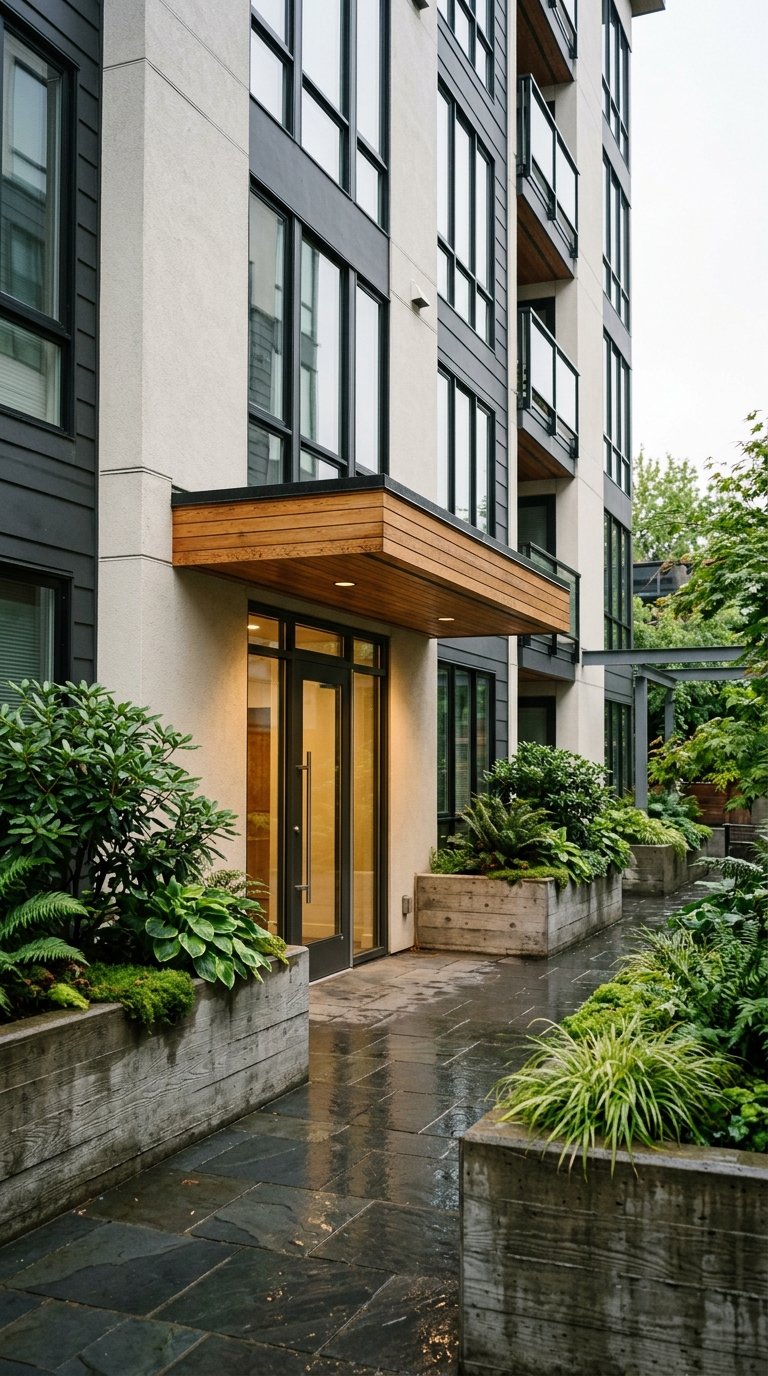
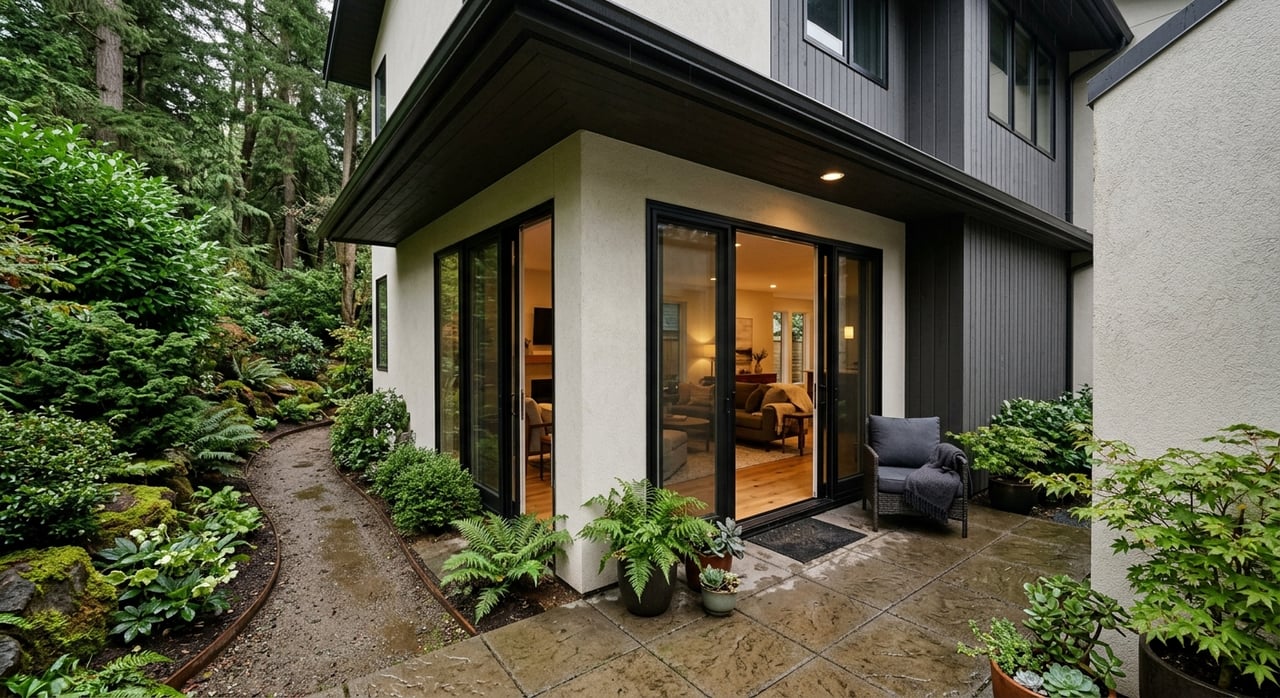
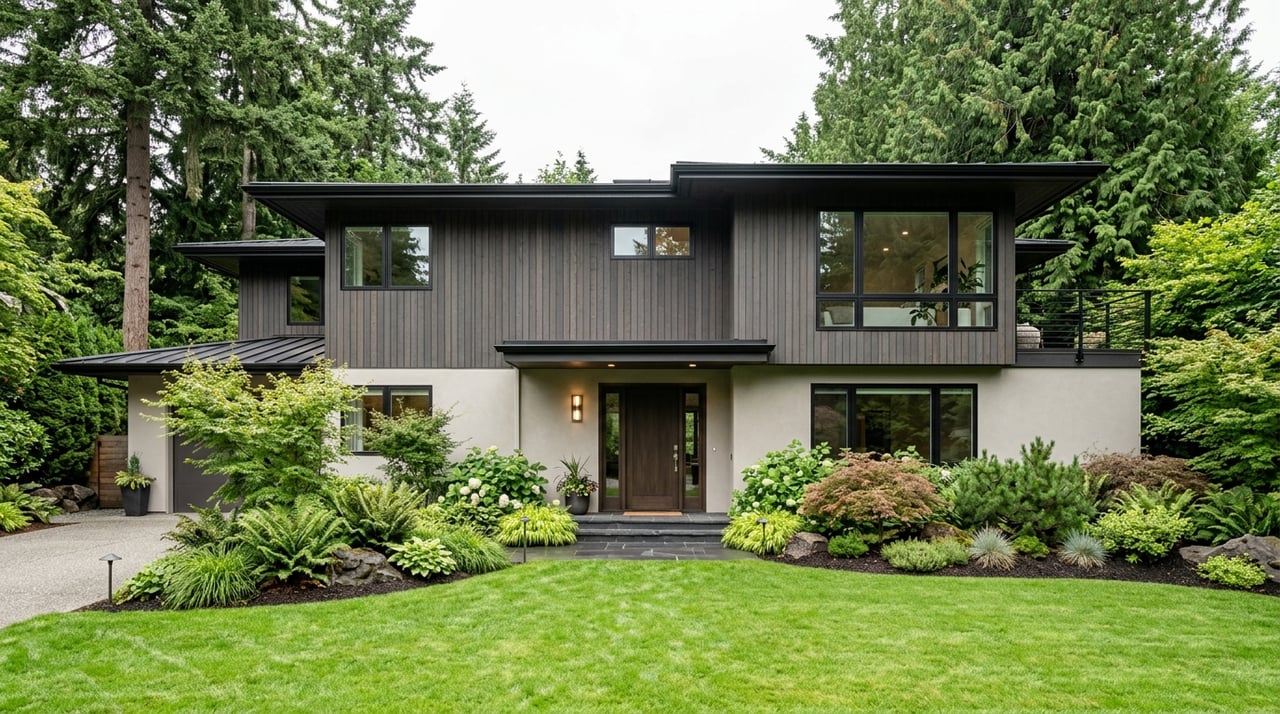
Neighborhoods vary by price, housing type, and commute options. Downtown Redmond and Redmond Town Center offer walkability and condo options. Overlake sits near Microsoft’s campus with a mix of multifamily and single-family homes. Education Hill, Grass Lawn, and Avondale offer established single-family neighborhoods and access to parks. Nearby Sammamish and Kirkland provide different tradeoffs on price and amenities. For city services and planning context, visit the City of Redmond.
If schools are part of your decision, parts of Redmond are served by Lake Washington School District. Always verify the current school assignment for a specific address using the Lake Washington School District school locator.
Your 90-day plan
Days 1-30: Plan and pre-approve
- Define your relocation plan. Gather your employer relocation policy, start date, budget range, target neighborhoods, and must-haves like commute time, bedroom count, parking, and pet rules.
- Choose a local buyer’s agent who works with remote buyers. Your agent should set up virtual tours, coordinate vendors, and explain neighborhood tradeoffs.
- Start the lender process. Secure a strong pre-approval from a lender experienced with King County and out-of-state buyers.
- Begin remote search. Request 3D tours, floor plans, neighborhood videos, and live video walkthroughs. Build a shortlist of 6 to 12 homes.
- Sort short-term housing. Consider corporate housing, extended-stay options, or a temporary lease while you shop and close.
- Line up title and escrow. Confirm e-signature options and remote signing. Ask your agent for a comparative market analysis on target homes.
Document checklist to prepare:
- Government ID, recent pay stubs, W-2s, bank statements, and employment verification
- Relocation letters and benefit details
- Pre-approval letter that states loan type, amount, and timing
Days 31-60: Offer and inspections
- Tighten your offer strategy. Discuss earnest money, inspection and appraisal contingencies, and closing date flexibility. In competitive moments, larger earnest money and shorter timelines can strengthen your bid. Earnest money often ranges from 1 to 3 percent of the price, but confirm norms with your agent and escrow.
- Once under contract, schedule inspections quickly. Typical general inspection windows run about 7 to 10 days. Attend by live video, ask for a recorded walkthrough, and request annotated photos.
- Order extra inspections as needed. Sewer scope, roof, HVAC, pest, chimney, moisture and mold, and structural reviews for older homes are common add-ons.
- Stay on top of financing. Submit your full loan application, respond to documentation requests, and discuss the right time to lock your interest rate.
- Appraisal and title. Your lender orders the appraisal. Review title exceptions and HOA documents if applicable.
Days 61-90: Close and move
- Do a final walkthrough 24 to 72 hours before closing. Confirm repairs are complete and the home is in agreed condition.
- Protect your funds. Wire fraud is a known risk. Verify wiring instructions by phone using a trusted number before sending money. Learn more from NAR’s wire fraud guidance.
- Closing documents. Many title companies offer e-signatures and some remote options. Confirm timing and whether any in-person steps are required.
- Coordinate move-in. Match moving dates with seller possession terms. Set up utilities and high-speed internet early so you can work on day one.
- Update life admin. Change of address, vehicle registration if you moved from out of state, and any local licensing steps.
Remote inspections in the PNW
In the Pacific Northwest, moisture management is critical. Inspections should pay close attention to water intrusion, grading and drainage, roofing, insulation, and ventilation. For older homes, consider seismic retrofits such as foundation bolting and water heater bracing.
Specialty inspections to consider:
- Sewer scope, especially for older homes or lots with mature trees
- Roof and chimney specialists when age or wear is visible
- Moisture and mold assessment if staining or musty odors appear
- Pest and wood-destroying organism report when appropriate
Remote best practices:
- Join the inspection by live video for real-time Q&A
- Ask for a recorded walkthrough and a photo report with notes
- Request ballpark repair costs or connect with a contractor for quotes
Repair strategy for remote buyers:
- Use clear contract language for what will be repaired, by whom, and by when
- Decide between a seller credit at closing or completed repairs with receipts
- Consider an escrow holdback if a repair must finish after closing
Financing and relocation benefits
Loan options commonly used here include conventional, FHA, VA for eligible veterans, and jumbo loans for higher-priced homes. Pre-approval, not just pre-qualification, adds strength to your offer and helps sellers feel confident about your timeline.
If your employer offers relocation benefits, gather the details in writing and share them with your agent and lender. Benefits can include home-finding trips, temporary housing, moving allowances, lease-break help, and help with closing costs. Deadlines and required documents can affect your escrow timing.
Washington has no state income tax. Budget for property taxes, excise taxes, and standard closing costs. For parcel research and assessments, use the King County Department of Assessments. Buyer closing costs often run 2 to 5 percent of the purchase price, depending on loan type and negotiations.
Remote and alternative closing options, such as electronic signatures and limited remote notarization, may be available. Ask your title company what is allowed and what timing to expect. Power of attorney is another path, but confirm requirements with your title company and legal advisor.
Commute and neighborhood snapshot
- Downtown Redmond and Redmond Town Center: walkable, close to dining and services, with condo and some single-family options.
- Overlake and Overlake Village: near Microsoft’s campus, mix of multifamily and single-family homes.
- Education Hill, Grass Lawn, Avondale: established single-family areas with parks and community amenities.
- Nearby Sammamish and Kirkland: popular with commuters who want different price and amenity tradeoffs.
To follow transit improvements that can change commute choices, check Sound Transit’s system expansion.
Vendor checklist
- Local buyer’s agent with remote buying and relocation expertise
- Lender experienced with jumbo and relocation financing in King County
- Title and escrow that support e-signatures and remote options
- Home inspector familiar with PNW construction and moisture concerns
- Moving company that handles cross-state and staged moves
- Short-term housing provider for flexible move timelines
- Internet and TV providers scheduled early for quick setup
Redmond remote-buying tips
- Track market shifts through trusted sources and your agent’s updates. For regional market structure and reports, see Northwest MLS.
- Verify schools for a specific address with the LWSD school locator.
- Review city and project updates through the City of Redmond and transit plans via Sound Transit.
- For flood or geologic hazard research, consult King County mapping tools such as King County iMap and discuss results with your inspector.
Next steps
You can buy confidently from out of state with the right plan and team. If you want a concierge process, virtual touring support, vendor coordination, and local insight across Eastside micro-markets, connect with Steve & Johanna Craig. We will build a 90-day plan around your start date, neighborhood goals, and timeline.
FAQs
How fast can an out-of-state buyer close in Redmond?
- With financing in order, typical closings run about 30 to 45 days after offer acceptance, and cash or highly prepared files can shorten that if the seller agrees.
Can I buy a Redmond home fully remote?
- Most steps can be done remotely, including touring by video, loan processing, and e-signing, but use trusted inspectors for on-site evaluations and have a plan for the final walkthrough.
How do inspections work with PNW moisture concerns?
- Prioritize general inspection, roof and drainage review, and add sewer scope, moisture and mold checks, and specialty inspections if the home’s age or condition suggests it.
How do I verify Lake Washington School District assignments?
- Use the LWSD school locator to confirm the current school for a specific property address before you write an offer.
What taxes and closing costs should I expect in King County?
How can I reduce commute stress near Redmond tech hubs?
- Base your search around corridors like SR 520 and I-405 and follow transit expansion plans through Sound Transit to weigh future options.
How do I avoid wire fraud during closing?
- Always confirm wiring instructions by phone using a verified number and review NAR’s wire fraud guidance before sending any funds.