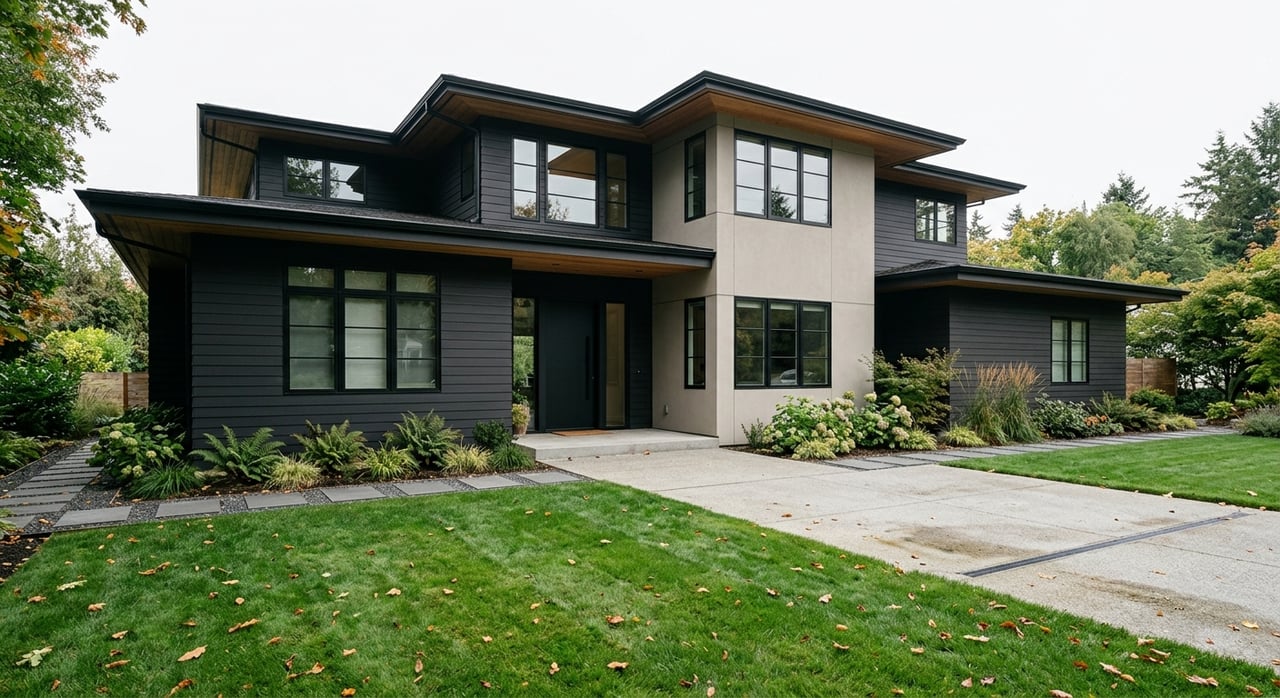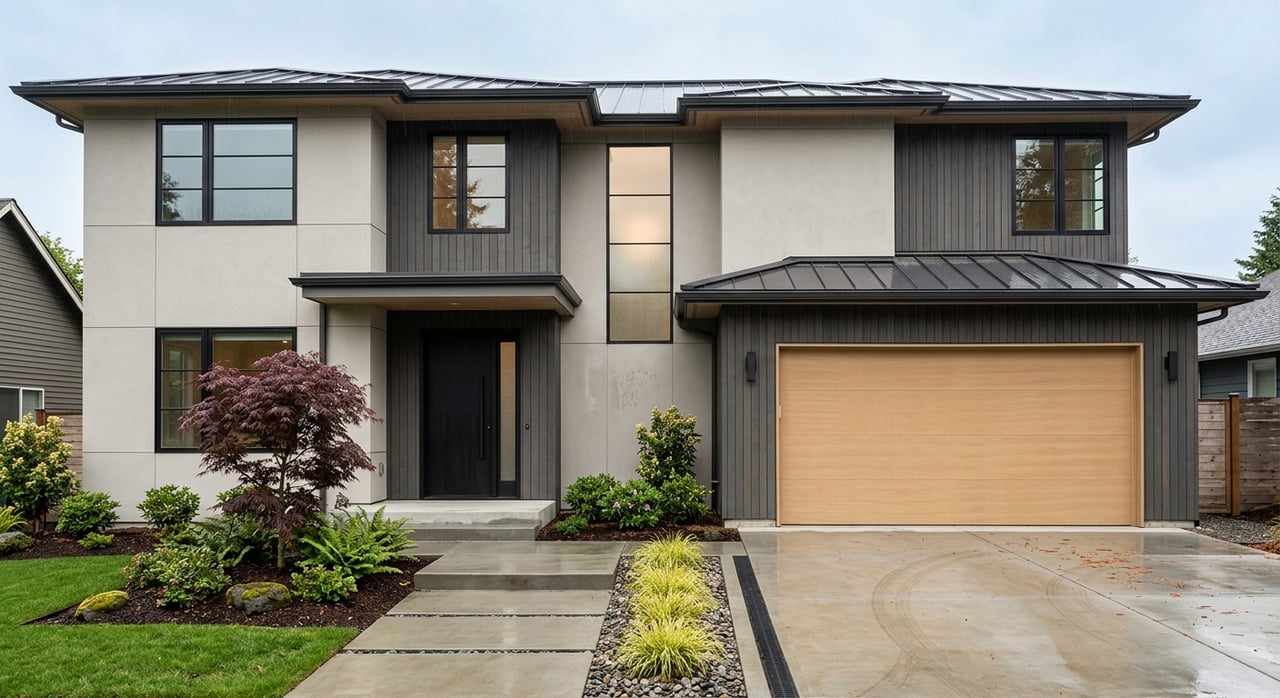
Issaquah New Construction Home Options by Neighborhood
April 2, 2026
April 2, 2026
If you are searching for a newly built home in Issaquah, you may have already noticed something important: true new construction is limited, and it often comes at a premium. That can make the process feel a little more complex, especially if you are comparing a new build with a resale home in the same area. The good news is that Issaquah still offers several paths to new construction, depending on your timeline, budget, and lifestyle goals. Let’s dive in.
Issaquah is not a market with endless large-scale new subdivisions. In many parts of the city, the story is now more about infill, redevelopment, and smaller remaining phases than wide-open greenfield development.
That is especially true in Issaquah Highlands. According to the City of Issaquah, the Highlands was first occupied in 1998 and is now nearly built out. The city notes that about 20 acres of buildable land remain for commercial development, retail, and additional housing, while the community has already grown to thousands of homes.
The Issaquah Highlands community update adds more context. It reports that the Harrison Street neighborhood’s final 90-lot phase was completed in March 2025, while Grand Ridge Drive still had a handful of homes under construction and in planning. The same update also highlights a larger approved redevelopment project on Ninth Avenue NE that could bring up to 1,250 residential units, including townhomes and age-restricted or assisted-living units.
For many buyers, Issaquah Highlands is the first place that comes to mind when thinking about newer housing in Issaquah. It offers an established urban village setting with retail, transit access, and Built Green neighborhoods, which continues to appeal to buyers who want a more connected lifestyle.
Today, though, the main opportunity in the Highlands is not a brand-new master-planned release with hundreds of detached homes. Instead, you are more likely to find infill opportunities, smaller phases, redevelopment projects, and attached housing options. That makes inventory more selective and often more competitive.
The Highlands also has a layered ownership structure that is worth reviewing carefully before you buy. The Issaquah Highlands real estate guide explains that all owned homes pay monthly assessments, some neighborhoods have supplemental assessments, and the annual IHCA assessment for 2025-26 is $1,044. It also notes a Highlands Fiber Network connection fee due at closing, a minimum monthly internet fee, and a community enhancement fee equal to one-quarter of 1% of the gross sale price at closing.
If you are considering new construction in Issaquah Highlands, focus on the full ownership picture, not just the list price.
Key questions to ask include:
These details matter because they directly affect your monthly cost and closing funds.
If you want a clearer active new-construction path, Talus stands out. Talus is a 630-acre master-planned community on Cougar Mountain with access to extensive trails and preserved natural surroundings, which gives it a distinctly outdoor-oriented setting.
Talus also appears to have one of the most defined current for-sale new-build options in Issaquah. Everra at Talus is under construction with 90 for-sale townhomes, with 3- and 4-bedroom plans ranging from 1,616 to 2,118 square feet and completion targeted for 2026.
For buyers who want a newer home with a predictable pipeline, Talus may feel more straightforward than parts of Issaquah Highlands. That said, it is still important to understand the community governance structure. The Talus Residential Association oversees budgeting, common-area maintenance, and architectural review, and some properties in the broader area may involve more than one association layer.
Talus may be a strong fit if you want:
If your goal is a low-maintenance home with a modern layout, Talus is one of the more notable Issaquah options to watch.
Outside Issaquah Highlands and Talus, current new construction in Issaquah tends to be more limited and often higher priced. That is important if you are entering the market expecting broad entry-level new-home choices.
For example, Parkland Heights is expected to start in the high $1 millions and include 23 homes across eight designs. Another project, Towns on 7th, is noted in the research as offering 28 townhomes and one signature single-family home, with one move-in-ready home listed at $1,514,950.
Taken together, these examples show that new construction in Issaquah is typically positioned as a premium segment. If you are comparing these homes with resale properties, the difference is often significant enough that you will want to evaluate total cost, location, finish level, and maintenance expectations side by side.
Pricing context matters because it helps you decide whether a new-build premium makes sense for your goals. According to the research provided, Issaquah’s average home value was $1,137,898 as of February 28, 2026, and the median sale price was $979,000 as of January 31, 2026. The same research notes that Issaquah Highlands trends above the broader city average, with an average value of $1,297,989 as of January 31, 2026.
When you compare those figures with examples like Parkland Heights in the high $1 millions or Towns on 7th above $1.5 million, the premium becomes clear. That does not automatically mean a new build is overpriced. It simply means you should be intentional about what you are paying for.
| Factor | New Construction | Resale Home |
|---|---|---|
| Condition | Brand-new finishes and systems | Varies by age and upkeep |
| Timeline | May involve build time or phased release | Usually faster closing path |
| Customization | May allow design selections or upgrades | Limited to existing finishes |
| Fees | Can include HOA dues, site premiums, and builder-related costs | May have HOA dues, but fewer builder-related charges |
| Maintenance | Often lower near-term maintenance | May need updates or repairs sooner |
In practice, many buyers find that the better comparison is not just purchase price. It is the all-in monthly cost and near-term ownership experience.
If you have not bought new construction before, the process can be different from a resale purchase. Builders often release homes in stages rather than listing every available home at once.
According to the Toll Brothers FAQ, the process often includes choosing the community and home site, signing a sales agreement, making deposits, selecting finishes, following construction progress, arranging financing, and then closing. The same source notes that quick move-in homes may already be under construction or complete, while build-to-order homes typically take about 6 to 12 months on average.
This is one reason buyer representation matters early. Toll Brothers also notes that if you choose to work with an agent, many builders expect that agent to accompany you on your first visit for registration. If you are exploring Issaquah new construction, it is smart to have your strategy in place before walking into a sales office.
Before committing to a new-build home, ask:
These questions can help you avoid surprises and compare communities more accurately.
Many buyers assume all new homes come with the same protection, but warranty coverage can vary. The Federal Trade Commission explains that a builder warranty generally covers workmanship and materials on permanent parts of a newly built home, while a home warranty is a separate paid service contract that usually applies to existing homes.
The FTC also notes that coverage periods are often limited. Workmanship and materials may commonly be covered for one year, some systems for two years, and certain major structural defects for longer terms depending on the builder program.
In Washington, the legal structure is especially important to understand. Legislative materials indicate that residential construction warranty protection is largely contract-based, while condo projects are treated differently under the Condominium Act. For you as a buyer, that means the actual purchase agreement and builder warranty documents deserve close review.
A new construction home in Issaquah can be a strong choice, but only if it matches your priorities. The right fit often comes down to whether you value customization, lower near-term maintenance, and newer finishes enough to justify the premium.
You may lean toward new construction if you want a more turnkey ownership experience, modern layouts, or a home that will likely need fewer immediate updates. On the other hand, if location flexibility, a faster move, or a lower total cost matters most, a resale home may offer stronger value.
The most helpful first step is usually narrowing your decision around three issues:
When you answer those clearly, your next move usually becomes much easier.
If you want help comparing Issaquah’s current new-construction options against resale opportunities, Steve & Johanna Craig can help you evaluate pricing, timelines, community structures, and the fine print so you can move forward with clarity.
Stay up to date on the latest real estate trends.